In the hierarchy of premium audio brands, KEF occupies a uniquely distinguished position. The British manufacturer has earned respect not through marketing prowess or heritage mythology, but through relentless innovation in driver design and acoustic engineering. When you listen to these speakers, you’re experiencing the culmination of decades spent solving specific acoustic challenges through original thinking.
The Coaxial Revolution
The most recognizable innovation from this storied manufacturer is their coaxial driver architecture, a design approach where tweeter and midrange driver share a common acoustic axis. This seemingly simple arrangement delivers profound acoustic advantages. Sound radiates from a single point, eliminating the phase complications that plague conventional designs where separate drivers occupy different cabinet positions. The result is exceptional imaging precision and a listening experience that remains convincing across a wide seating area, not just the mythical sweet spot that plagued earlier designs.
Coaxial driver technology sounds elegant in theory but proves extraordinarily difficult to execute. The tweeter must fit concentrically within the midrange driver’s voice coil, requiring precise mechanical tolerances and careful acoustic engineering. Lesser manufacturers have attempted this approach and failed, what separates KEF from pretenders is their mastery of the physics involved. Their acoustic team has spent decades refining this approach, resulting in drivers that sound more cohesive than conventional separated designs.
The advantages compound when listening to realistic music content. Vocals maintain precise positional information within the soundstage. Guitar solos appear to emanate from a specific location rather than spreading diffusely across the stereo image. This precision proves particularly valuable for jazz and chamber music, where instrumental placement communicates important performance information.
Metamaterials and Cutting-Edge Engineering

Beyond their signature coaxial drivers, this innovative brand has pioneered the use of metamaterials, specially designed acoustic structures that control cabinet resonances at the molecular level. Their Uni-Q driver system combines this innovation with careful port tuning and cabinet bracing. The company invests heavily in acoustic research, employing engineers who approach speaker design with the same rigour applied to loudspeaker development at research institutions. This commitment to innovation permeates every product line, from compact standmounts to imposing floorstanders.
Metamaterial development represents a significant technological investment. These engineered materials alter how sound propagates through cabinet walls, effectively decoupling the drivers from cabinet vibration. Traditional speaker design assumes that cabinet resonance is inevitable and focuses on minimising negative effects. The metamaterial approach attempts to eliminate the problem at its root. This represents fundamental thinking about acoustic design philosophy.
Wireless Without Compromise
The brand also recognises that modern listeners increasingly choose wireless audio delivery. Rather than treat this as an inferior necessity, KEF has engineered wireless models that maintain the acoustic principles underlying their corded designs. Integrated amplifiers deliver authoritative power while maintaining the precision and refinement that characterises the brand. Their digital signal processing applies sophisticated algorithms to room correction, helping speakers adapt to acoustic environments rather than fighting them.
This approach to wireless audio distinguishes them from competitors who simply add Bluetooth to existing speaker designs. Their wireless development team treats wireless audio as a first-class citizen, not an afterthought. The amplification stages, DSP implementation and acoustic tuning all account for wireless delivery methods. This integration ensures that wireless listeners experience the same acoustic coherence as those using wired connections. KEF
Aesthetics Reflecting Innovation

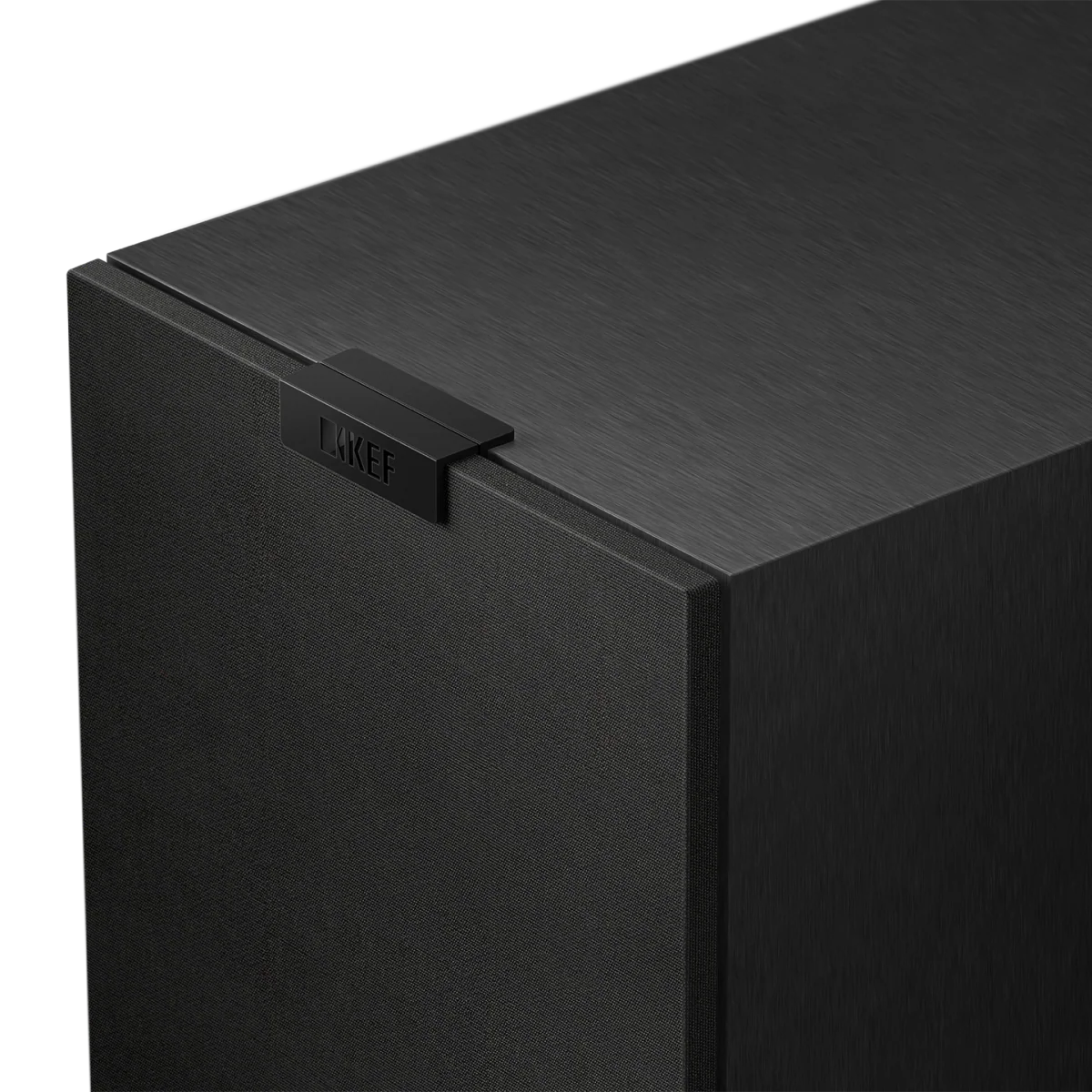
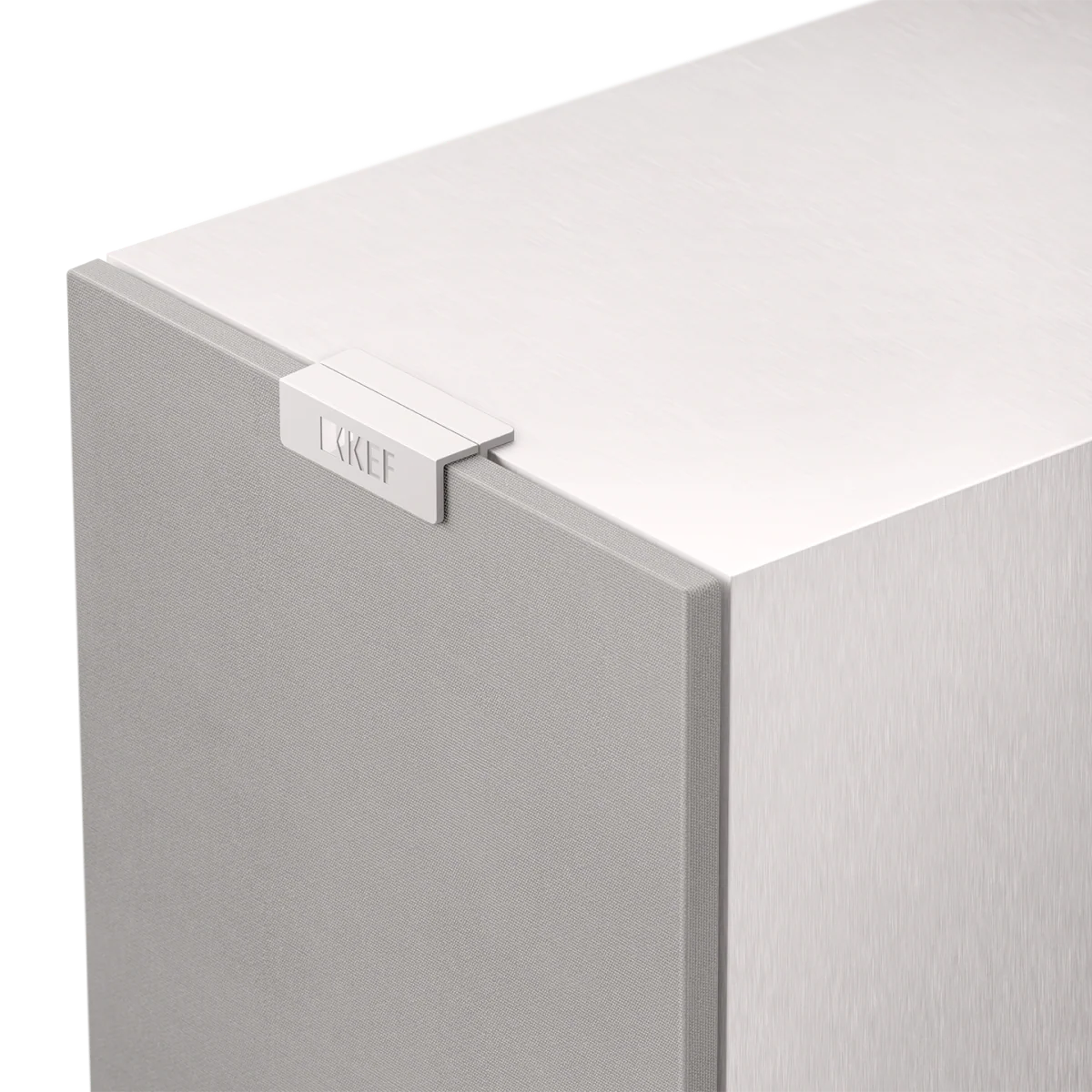
A KEF speaker’s appearance immediately signals its engineering sophistication. The distinctive driver arrangements, the carefully shaped baffles, the premium cabinet construction, these visual elements aren’t mere styling flourishes. They’re visible manifestations of acoustic engineering decisions. When you examine these speakers closely, you recognise that every curve and angle serves an acoustic purpose. This integration of form and function creates designs that captivate both eyes and ears.
The visual distinctiveness also serves a marketing purpose. In retail environments crowded with anonymous speaker designs, their unmistakable appearance creates immediate brand recognition. But more importantly, the aesthetic choices reflect genuine engineering commitment. A speaker that looks this carefully conceived communicates quality before you ever hear a note of music.
The Listening Experience Explained
Listen to orchestral music through these speakers and you’ll notice something distinctive instruments occupy precisely defined positions within the soundstage. Violins don’t blur into an indistinct mass, each section maintains acoustic identity. This imaging precision stems directly from their coaxial design philosophy. The acoustic advantages compound across frequency ranges, creating a coherent listening experience where all elements integrate seamlessly. This represents sophisticated audio engineering yielding immediately apparent sonic benefits.
Why This Brand Matters
- Proprietary coaxial driver architecture delivering superior imaging and phase coherence
- Metamaterial technology controlling cabinet resonances at the molecular level
- Decades of acoustic research yielding innovation that competitors cannot match
- Wireless audio implementation maintaining full acoustic integrity
- Design philosophy integrating aesthetic appeal with acoustic performance
Premium Audio Engineering
For listeners who appreciate engineering excellence and demand uncompromising sound quality, investing in these speakers represents a choice in audio designed by people who genuinely understand acoustic physics. They aren’t speakers that merely sound good, they’re engineered with intention that becomes audible with every listening session.