The barrier to entry in electronics and computing has never been lower. With Raspberry Pi, anyone can unlock their potential as a maker, hobbyist or technology innovator. These powerful yet affordable single-board computers have revolutionized how people learn, create and build projects ranging from home automation systems to robotics to media centers. Since the first Pi board launched over a decade ago, millions of units have been sold to enthusiasts, educators and professionals worldwide. The platform continues to evolve, introducing faster processors, improved connectivity and expanded capabilities with each new generation.
What Makes Pi the Ideal Starting Point
Pi computers combine genuine computing power with exceptional affordability. Unlike traditional computers, these compact devices pack modern processors into a form factor no larger than a credit card. Whether you’re completely new to electronics or an experienced maker looking to prototype quickly, Pi provides the perfect platform. The ecosystem around Pi has grown exponentially, with countless tutorials, libraries and community projects available to guide you through your learning journey. The accessibility of Raspberry Pi has democratized hardware development, making it possible for students in developing nations and wealthy countries alike to access cutting-edge computing technology at minimal cost.
Key Features That Set Pi Apart
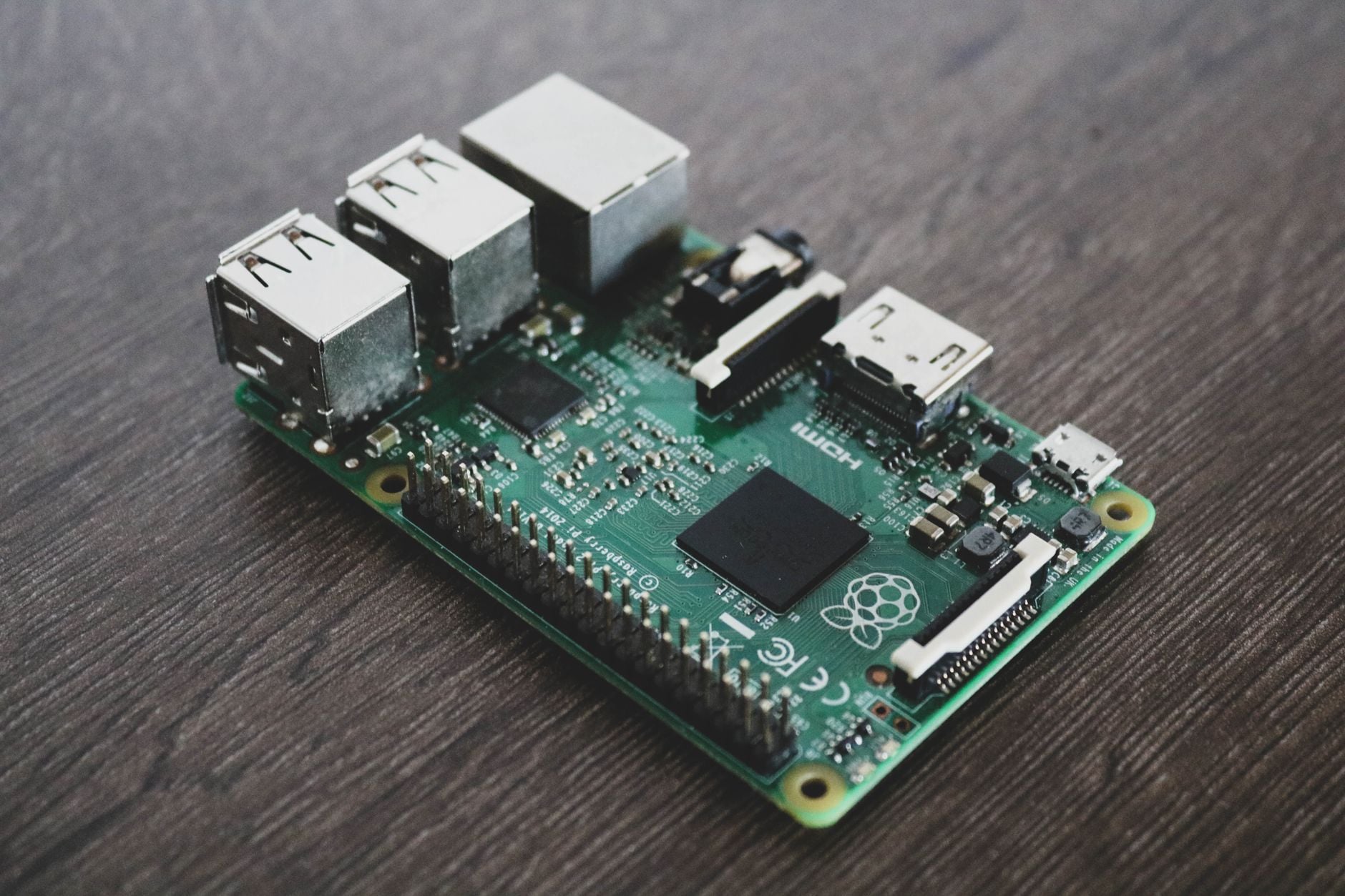
- Compact Form Factor All the computing power you need in a board smaller than most smartphones, perfect for embedded applications and space-constrained projects.
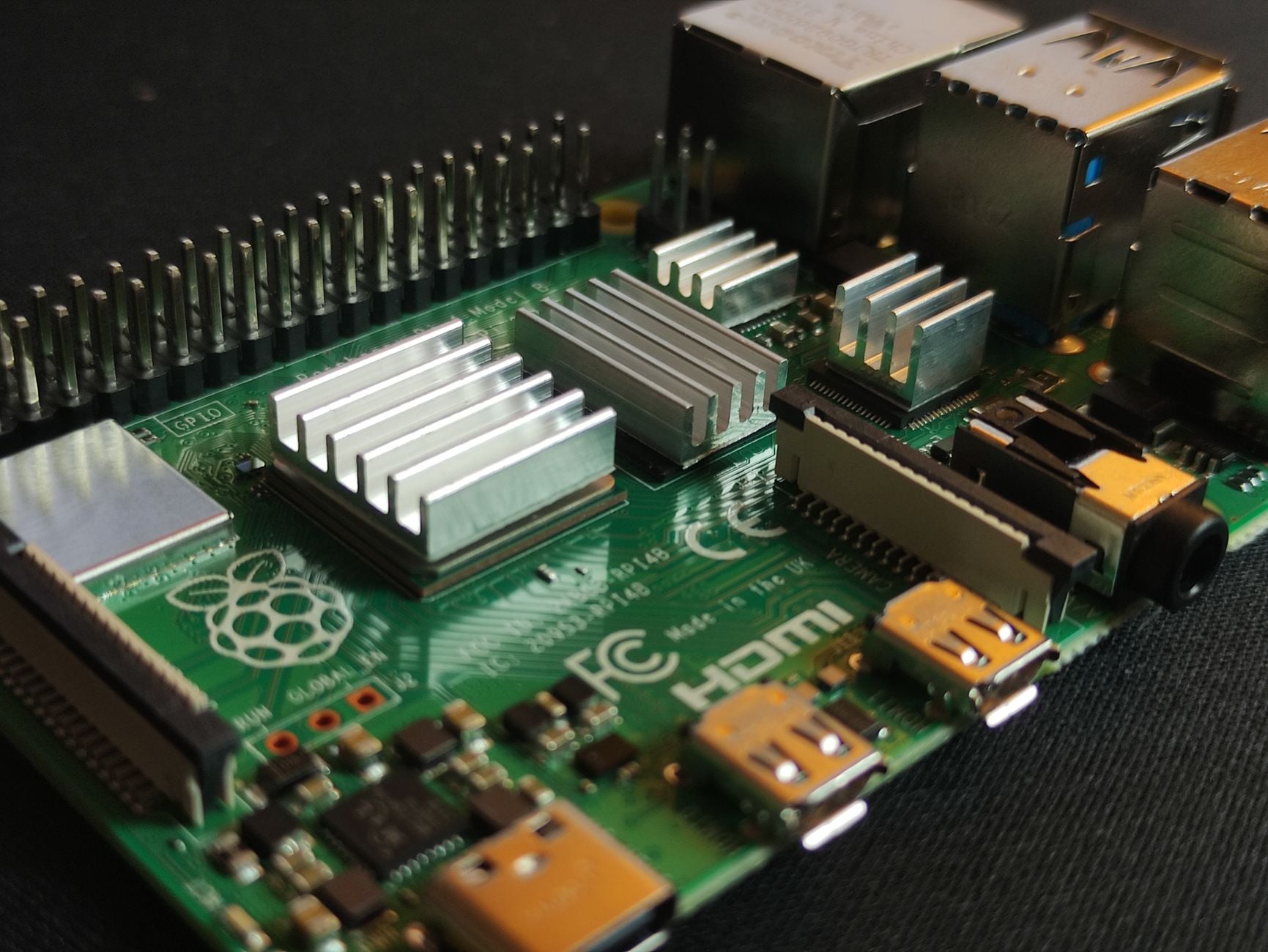
- GPIO Headers Direct access to General Purpose Input Output pins allows you to interface with sensors, motors, LEDs and countless other electronic components.
- Multiple Connectivity Options Built-in Ethernet, WiFi, Bluetooth and USB ports enable seamless integration with networks and peripherals.
- Low Power Consumption Pi systems run efficiently on minimal power, making them ideal for battery-powered and always-on applications.
- Rich Multimedia Support With HDMI output and optional camera and display modules, Pi supports sophisticated audiovisual projects.
- Active Community Support Thousands of developers contribute resources, libraries and project inspiration through forums and social platforms.
Endless Project Possibilities With Pi
One of the most compelling aspects of Pi is its versatility across countless domains. Educators use Raspberry Pi to teach programming and digital literacy to students worldwide, from elementary schools to universities. Hobbyists build weather stations that track atmospheric conditions in real-time, security cameras with motion detection and cloud connectivity and sophisticated home automation systems that control lighting, temperature and appliances. Makers create retro gaming consoles by emulating classic systems, music production rigs for digital audio workstations and Internet of Things devices that collect and analyze environmental data. The hardware flexibility of Pi means you can connect sensors measuring temperature, humidity, pressure and light levels alongside motors for automation, LED displays for output and wireless modules for remote communication.
Robust Performance Without Breaking the Bank
Don’t let the small size and low price fool you. Pi boards deliver impressive processing capabilities that continue to advance with each hardware revision. Modern models feature multi-core ARM processors running at speeds competitive with entry-level laptops, generous RAM options ranging from 2GB to 8GB and plenty of storage connectivity through microSD cards and USB drives. Whether you’re running complex Python scripts for data analysis, serving web applications with databases or processing sensor data in real-time, your Pi handles the workload reliably. The balance of performance and price that Pi offers has made it the standard platform for learning and prototyping across schools, maker spaces and home workshops worldwide. Organizations from NASA to Netflix have leveraged Pi technology in various applications, demonstrating the platform’s legitimacy for professional use.
Complete Ecosystem and Support
What truly sets Raspberry Pi apart is the comprehensive ecosystem surrounding it. The official website hosts extensive documentation, project tutorials and community forums where thousands of users share their creations and expertise daily. Third-party manufacturers have developed countless expansion boards called HATs, enclosures designed for protection and aesthetics and specialized accessories tailored to work with Pi hardware. Whether you need a touchscreen display for interactive projects, a motor controller for robotics, a wireless transceiver for IoT applications or professional-grade industrial components, you’ll find compatible accessories available through multiple vendors. This abundance of support means you’re never stuck when building your next Pi project. Online communities remain incredibly active, providing code examples, troubleshooting assistance and inspiration from countless completed projects.
Learn, Build and Innovate With Pi
Starting with Pi teaches you fundamental principles that apply across all computing and electronics domains. You’ll develop practical skills in Linux system administration, multiple programming languages including Python and C, digital electronics principles and hardware interfacing techniques. These knowledge areas open doors to exciting careers in software development, embedded systems engineering, IoT design and robotics. Beyond career prospects, working with Pi is genuinely rewarding. The satisfaction of seeing your code run on physical hardware and control real-world devices is unmatched.
Your journey with Raspberry Pi awaits. Whether you dream of automating your home, teaching students computational thinking or creating the next breakthrough maker project, these single-board computers provide the foundation you need. The world’s most popular computing platform for education and hobbyists is ready to transform your ideas into reality.