Luxury travel rarely fits one mould, and the range of Scott Dunn accommodation tiers reflects that reality. The collection spans intimate boutique camps, rainforest lodges, heritage hotels, and ultra-exclusive bush retreats, each suited to a different kind of stay. Some travellers want a quiet wildlife encounter, others a grand cultural base, and the distinctions between these property types shape what gets booked long before a single bag is packed. Scott Dunn organises its collection around these varied settings rather than around a single standard room type.
Understanding Scott Dunn’s Accommodation Philosophy
Scott Dunn has specialised in luxury travel for more than 35 years and arranges holidays across more than 100 countries. Its specialists draw on a carefully curated collection of accommodation, experiences, and guides rather than relying on star ratings alone. Global offices in London, New York, California, and Singapore support guests around the clock, which keeps planning seamless regardless of destination.
Because of that global reach, two travellers heading to the same region can end up in very different settings depending on what matters most to them. One might prioritise proximity to wildlife, another architectural character, and a third cultural immersion through a guided local encounter. That spread of priorities is exactly what gives Scott Dunn accommodation tiers their shape, and it is also why an itinerary built around gorilla trekking in Rwanda looks nothing like one built around a heli-skiing week in Canada.
Boutique Luxury: Kulandila Camp and Intimate Safari Experiences
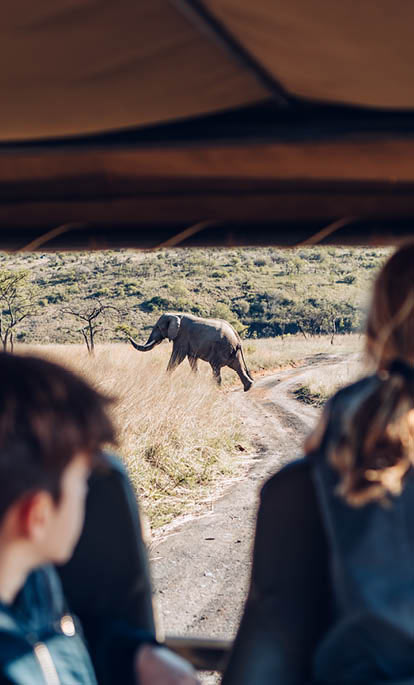
At the smaller, more intimate end of the spectrum sit boutique safari camps built around close contact with the surrounding landscape rather than scale. In Botswana, for example, guests can track endangered black rhino on foot, guided by rangers who have spent a lifetime reading the land. Elsewhere, walking with Kalahari Bushmen across the Makgadikgadi region offers a similarly close, low-density style of encounter. This category within Scott Dunn‘s collection favours small guest numbers and a strong sense of place over size or formality.
Mid-Range Comfort: El Remanso Lodge and Rainforest Retreats
Moving into dense, biodiverse settings, lodges in this category introduce a different kind of comfort shaped by forest rather than open plain. In Costa Rica, stays of this kind can include hiking deep into the rainforest alongside the Cabécar people, blending cultural exchange with wildlife-rich surroundings. The setting shifts from open bushveld to thick canopy, which changes both the activities on offer and the pace of each day. Scott Dunn positions these rainforest stays as a distinct experiential category within its wider collection of accommodation.
Classic Luxury: Scots Hotel and Cultural Destination Stays

Not every property in the collection is built around wilderness. Some hotels sit within established cultural destinations, where historic architecture and regional hospitality traditions take centre stage. These stays suit travellers whose itinerary centres on cities, heritage sites, or food and wine rather than game drives. Properties in this category often pair more conventional luxury amenities with the surrounding destination’s cultural draw, from guided tours to private access at sought-after sites.
Simple Modern Elegance: Amanohashidate Hotel and Scenic Viewpoint Properties
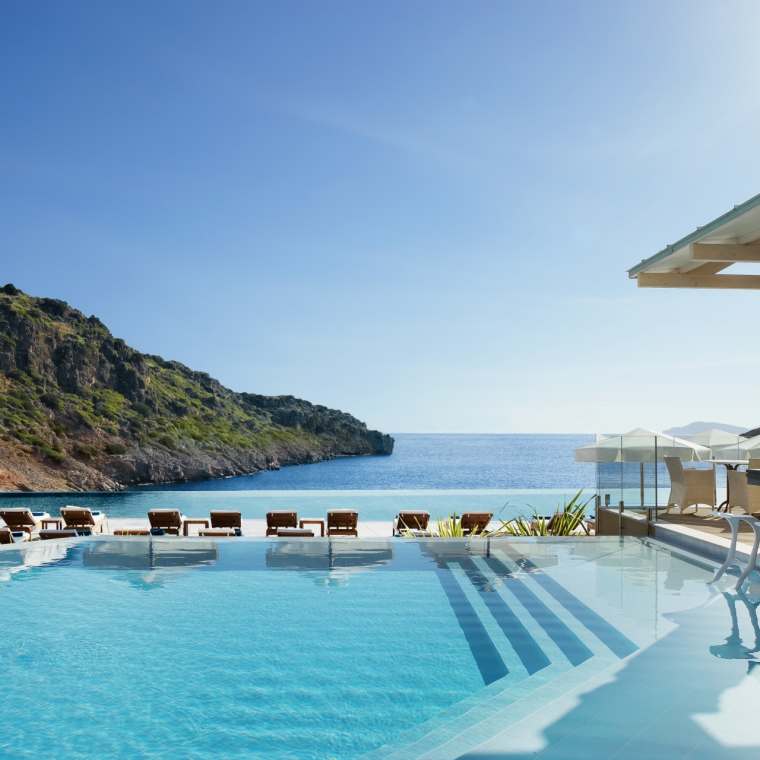
A further category favours clean, understated design paired with a striking natural setting, such as a coastal inlet, a fjord, or a mountain panorama. Properties of this kind generally prioritise simplicity and view-led architecture over elaborate ornamentation, the way a stay along Norway’s fjords lets waterfalls and cliffs do most of the visual work. That restraint keeps the emphasis on matching a property’s character to the scenery and pace a traveller wants, whether the setting calls for stillness or for an active base between hikes.
Ultimate Luxury: Molori Safari Lodge and Ultra-Exclusive Bush Experiences
At the most exclusive end of the range, private lodges represent a high level of privacy and refinement within the safari portfolio. In South Africa, this can mean a private safari lodge paired with a guide who knows every animal by name, turning a stay into something closer to a rite of passage than a standard visit. Wildlife access is usually paired with elevated design details and a strong sense of seclusion from other travellers. Scott Dunn treats this category as the most private end of its bush offering, built for guests who want minimal distance between themselves and the landscape.
Because these categories span such different settings and scales, the distinctions are worth laying out directly.
- Lodge size and guest capacity shrink noticeably from larger heritage hotels down to the smallest ultra-exclusive bush lodges.
- Setting and landscape type shift from open savannah and bushveld to dense rainforest, coastal viewpoints, and historic city centres.
- Amenities and spa facilities expand or contract depending on the property, with heritage hotels often offering more formal dining and spa infrastructure than remote camps.
- Wildlife and activity focus is strongest in the safari-oriented camps and lodges, while cultural and scenic properties lean toward heritage sites and landscape views instead.
- Design philosophy ranges from eco-conscious, open-air structures in the bush to the highly refined, private-villa style found in the most secluded lodges.
Taken together, these differences explain why a single itinerary might combine more than one property type, pairing a cultural hotel stay with a rainforest lodge and closing with a private bush camp. Matching the right property type to each stage of a trip, rather than defaulting to one style throughout, is how the different categories within Scott Dunn accommodation tiers actually get used, whether the plan also folds in a polar snorkelling safari in Antarctica or a heli-skiing day in Whistler’s backcountry.
Choosing between these categories ultimately comes down to what a traveller wants most from a given destination, whether that is seclusion, cultural depth, scenic calm, or proximity to wildlife.