Budget travel doesn’t mean compromising on adventure. easyJet has revolutionized how millions of Europeans explore their continent, making it possible to visit stunning cities and countryside destinations without spending a small fortune. Since its launch in, the airline has transformed European travel from a luxury reserved for the wealthy into an accessible experience for everyday explorers. Understanding how to navigate this budget model and maximizing its opportunities turns affordable travel into a genuine art form.
Understanding the Budget Airline Model
Budget carriers operate on a straightforward principle no frills, lower costs, wider accessibility. The airline strips away amenities like included meals and baggage allowances that traditional carriers bundle into ticket prices. Instead, you pay for exactly what you use. This transparency means smart travelers can minimize costs by traveling light and planning carefully. The trade-off? You’re getting to incredible destinations for a fraction of traditional airline prices.
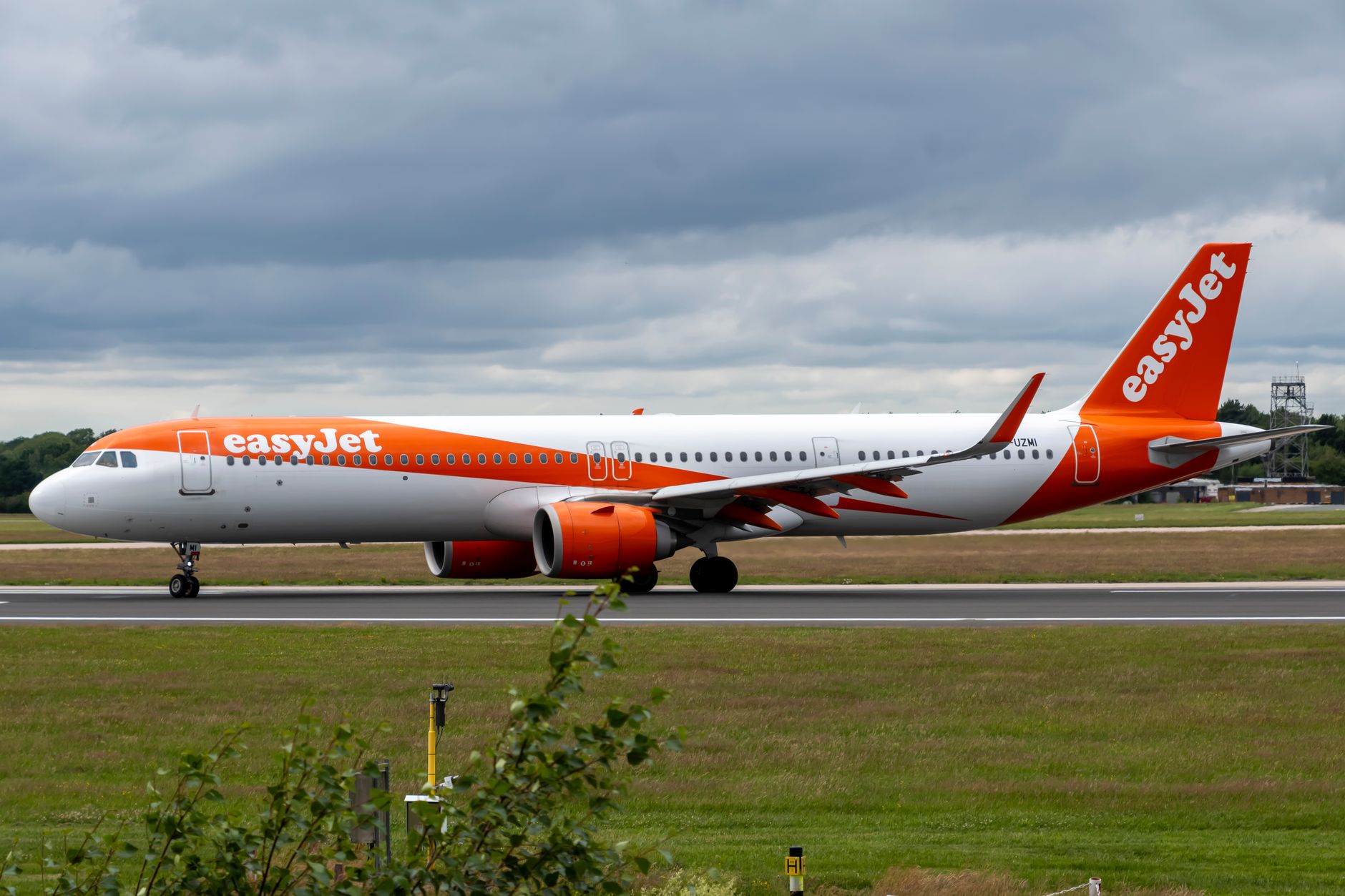
easyJet operates one of Europe’s most extensive networks, with routes connecting over 130 destinations across Europe and beyond. This means that whether you’re dreaming of sipping espresso in Rome, exploring Barcelona’s Gothic Quarter or hiking in the Swiss Alps, affordable options exist that get you there.
The Art of Finding Cheap Flights
Finding genuine bargains with budget airlines requires understanding when and how to search. Prices fluctuate constantly and knowing the patterns separates savvy travelers from those who stumble into expensive mistakes. Tuesday and Wednesday departures are typically cheaper than weekend flights. Early morning and late evening flights often cost less than convenient midday options. Flying mid-week during shoulder seasons, May to June and September to October, offers better value than summer peaks or winter holidays.
Flexibility is your superpower. Pricing rewards flexibility relentlessly. If your destination is negotiable, flying to underrated cities rather than obvious tourist capitals saves substantially. Visiting Krakow instead of Paris or Porto instead of Barcelona, offers equally rich experiences at significantly lower flight costs.
Setting up price alerts on the easyJet website allows you to monitor specific routes and pounce when prices drop. Budget airlines frequently run flash sales, particularly on quieter routes and unpopular travel dates. Subscribing to their newsletter ensures you’re notified when these opportunities emerge.
Mastering the Hidden Costs
Understanding what’s included in your base fare separates truly cheap trips from trips that end up expensive. The base ticket doesn’t include baggage, seat selection or priority boarding. Planning around these fees is essential to maximizing savings.
Consider your baggage strategy carefully
- A personal item (bag fitting under the seat) is always free, so travel with only carry-on luggage whenever possible
- If you need checked luggage, book it when purchasing your ticket rather than at the airport, advance booking costs significantly less
- Pack light enough to avoid checked bags entirely whenever feasible
- Seat selection isn’t necessary unless you have specific preferences, sit where assigned and save the fee
- Skip extras like priority boarding unless you have checked bags that require it
The key is knowing which extra fees add genuine value for your specific trip and which are marketing ploys. Most leisure travelers genuinely don’t need premium extras.
Maximizing Your Budget Airline Experience
Budget travel across Europe means embracing minimalism and planning strategically. Download the airline app before traveling, it’s more reliable than the website and allows you to manage your booking, track flights and receive alerts. Arrive at the airport earlier than you think you need to; budget carriers operate like clockwork and they won’t wait for stragglers.
Use hub cities strategically. Airlines typically operate major hubs in Berlin, Geneva, Amsterdam and Paris, meaning flights between these cities and regional destinations tend to be more frequent and cheaper. Planning a European trip that connects through a hub city often costs less than point-to-point journeys.
Building Your European Adventure
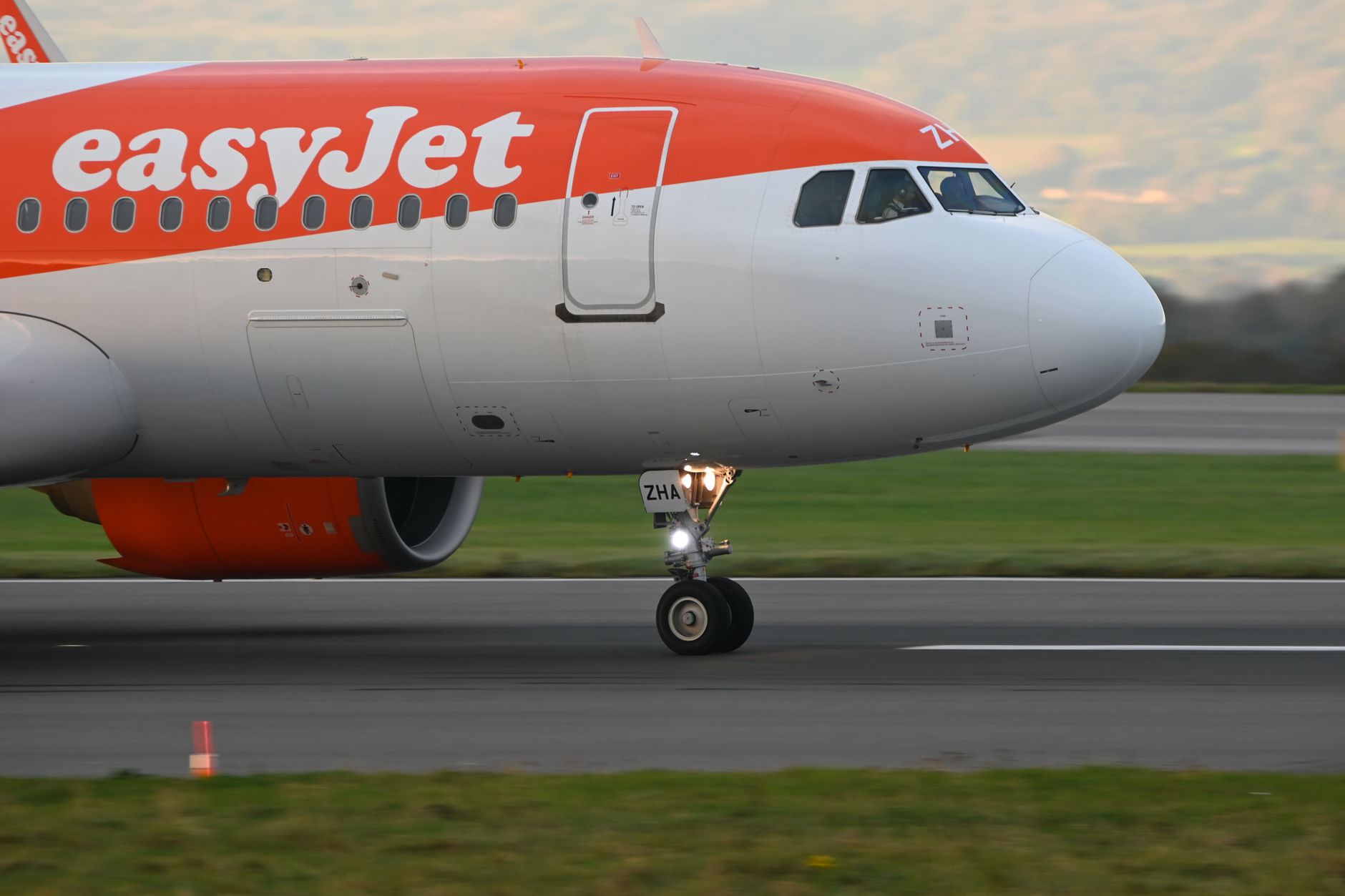
The real magic of easyJet lies in what it enables affordable multi-city exploration. Budget travelers can now afford three or four short trips yearly instead of one expensive vacation. You can visit a different city every season, gradually building a deeper knowledge of Europe’s regions and cultures.
This accessibility has democratized European travel. Students can afford weekend city breaks. Families can explore multiple destinations in a single vacation. Retirees can plan extended European trips without retirement savings vanishing. Budget airlines make all these scenarios financially feasible.
The Real Cost of Travel
Flying budget isn’t about enduring terrible conditions, modern budget aircraft are well-maintained and flight times are short, usually two to three hours across Europe. The compressed flights barely notice the lack of complimentary snacks or extensive seat recline. What you’re trading isn’t comfort but amenities you wouldn’t notice anyway.
Understanding this reframe transforms your perspective. You’re not sacrificing quality; you’re eliminating unnecessary extras and redirecting money toward experiences at your destination. Arriving in Venice with saved means better restaurants, more museum visits and genuine local experiences rather than budget accommodations and limited sightseeing.
The Future of Budget European Travel
easyJet continues expanding its network and increasing flight frequency, making European exploration increasingly accessible. For anyone serious about seeing Europe without commercial debt, understanding the budget airline model and leveraging extensive routes represents the modern path to continental adventure. Budget travel isn’t a compromise anymore, it’s the smartest way to experience Europe.