There’s something almost quaint about a loudspeaker company that still believes in handcrafted audio. In an industry increasingly dominated by algorithmic optimization and digital convenience, Ruark Audio stands as a deliberate counterpoint, a British manufacturer that treats speakers not as mere commodity electronics, but as objects of genuine craftsmanship and enduring aesthetic value.
Founded in the early 1980s, this company has long occupied a peculiar space in the audio landscape. While other manufacturers chase ever-smaller form factors and ever-cheaper price points, Ruark Audio designs products that feel like they belong in your home not because they’re invisible, but because they’re genuinely beautiful. This philosophy, that a speaker can be simultaneously serious about sound and serious about design, has become increasingly rare.
The Heritage of Acoustic Engineering
The British have long understood something fundamental about audio the cabinet matters. While engineers at other firms were busy miniaturizing components, designers at Ruark Audio were thinking about wood, resonance and how a speaker’s physical presence in a room shapes not just the sound, but the entire listening experience. This isn’t philosophy disguised as marketing, it’s grounded in genuine acoustic science.
Their signature aesthetic, what we might call retro-modernist, harks back to the aesthetic values of mid-century hi-fi, but executed with contemporary materials and precision manufacturing. There’s wood veneer, controlled curves and purposeful proportions. These speakers don’t look like they were designed by algorithm. They look like they were designed by people who genuinely care about what audio equipment means when it sits in a corner of your living room.
Sound Quality That Justifies the Vision
Of course, aesthetic integrity means nothing if the product doesn’t deliver sonically. Here’s where Ruark Audio puts its money where its mouth is. Their commitment to acoustic design, the selection of drivers, the tuning of crossovers, the careful internal bracing of cabinets, results in speakers that genuinely sound good across a range of material.
What distinguishes these products from many competitors is a certain kind of rightness, a sense that the sound isn’t being processed or artificially shaped, but rather accurately rendered. There’s warmth here, certainly, but it’s the kind of warmth that comes from carefully chosen materials and design decisions, not from colorized equalization curves or marketing-speak about “presence peaks.” The speaker reveals what the recording actually contains, rather than imposing a signature sound.
Design as Functional Philosophy
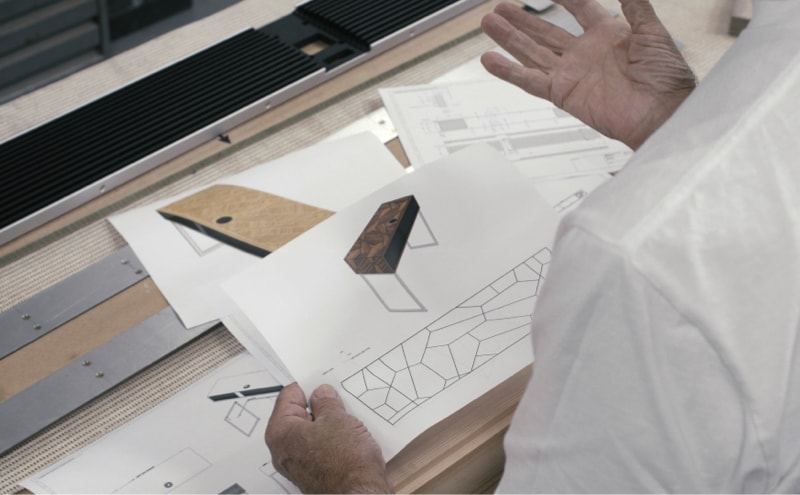
The product range reflects thoughtful segmentation. Whether you’re looking at compact wireless models or larger floorstanding designs, there’s a consistency of purpose evident throughout. Each product category is designed for a specific use case and within that context, they commit fully to a coherent vision. This approach makes genuine sense different rooms, different listening habits and different musical priorities all deserve different solutions.
The wireless models, for instance, acknowledge reality, that not everyone wants to deal with amplifiers and speaker cables. But even in this concession to modern convenience, they refuse to compromise on the fundamentals. Cabinet design remains purposeful, drivers are thoughtfully selected and tuning is meticulous. Many manufacturers use wireless connectivity as an excuse to cut corners; this company uses it as an opportunity to think about how wireless speakers can be genuinely good without the trappings of traditional hi-fi gear.
What Sets Them Apart
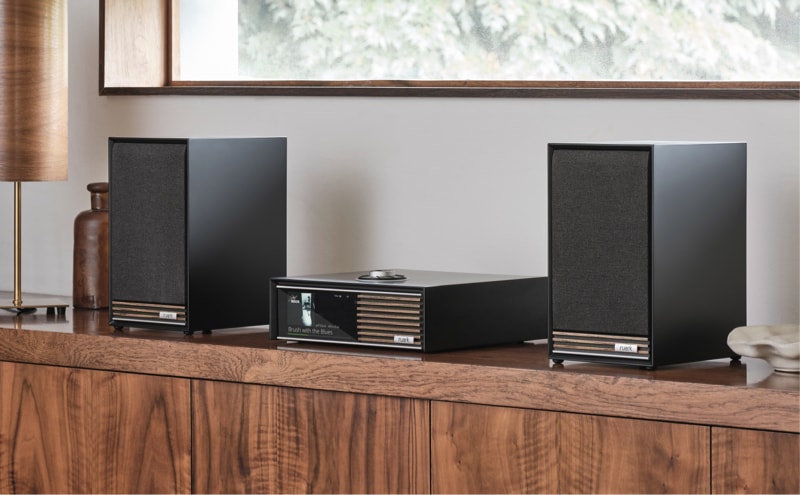
- Commitment to acoustic science informs every design decision, from cabinet materials to driver selection.
- Visual aesthetic that celebrates the speaker as a design object rather than attempting to hide it.
- Refusal to compromise on fundamentals like internal bracing and driver quality across their entire range.
- British manufacturing heritage combined with contemporary production techniques and materials.
- Philosophy that audio equipment should feel like a purchase you’ll enjoy for decades, not something to replace yearly.
The Broader Significance
What makes this brand significant isn’t just that they make good speakers. It’s that they demonstrate there’s still a market and probably an expanding one, for products that refuse the false choice between performance and aesthetics. In a world saturated with utilitarian black boxes, the very existence of speakers that belong in a carefully considered home feels almost like a small act of cultural resistance.

The audiophile market has historically been divided between two camps those who care primarily about raw performance metrics and those who prioritize form and lifestyle integration. What these designers have achieved, perhaps uniquely, is a product line that refuses to choose between these poles. Their speakers perform well because they’re designed with such attention to physical and aesthetic detail. The beautiful object and the technical object are one and the same.
Worth Considering
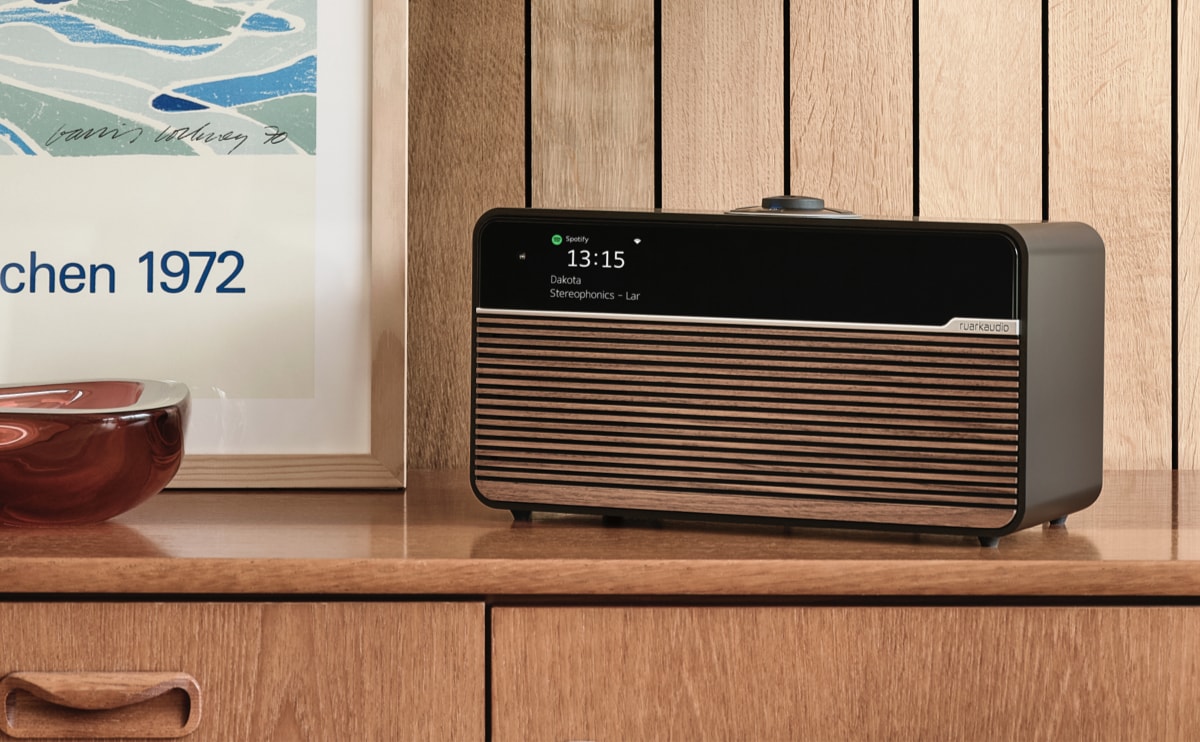
If you’ve grown tired of speakers that look like they were designed for a server room, if you believe that audio equipment should reflect something about your home and your values, then Ruark Audio represents something increasingly rare in consumer electronics the genuine marriage of form and function.