The engineering discipline of speaker design represents an intersection of acoustic physics, materials science and artistic vision that remains poorly understood by most audio enthusiasts. Creating a speaker that reproduces sound faithfully across the entire musical spectrum while operating reliably in home environments requires solving complex trade-offs between competing objectives. Bowers & Wilkins, the British speaker manufacturer established in, has built a reputation on meticulous speaker engineering that prioritizes accurate sound reproduction above all other considerations.
The physics of sound reproduction involves moving air in precise patterns dictated by electrical signals arriving from amplifiers. Speaker drivers must accelerate and decelerate rapidly to reproduce high frequencies, yet also move substantial distances to generate sufficient air movement at low frequencies. These conflicting requirements cannot be perfectly satisfied by a single driver, necessitating multi-way speaker designs that divide the frequency spectrum among differently optimized drivers. Premium products exemplify sophisticated approaches through high-order crossover designs that integrate driver outputs seamlessly across the audible spectrum.
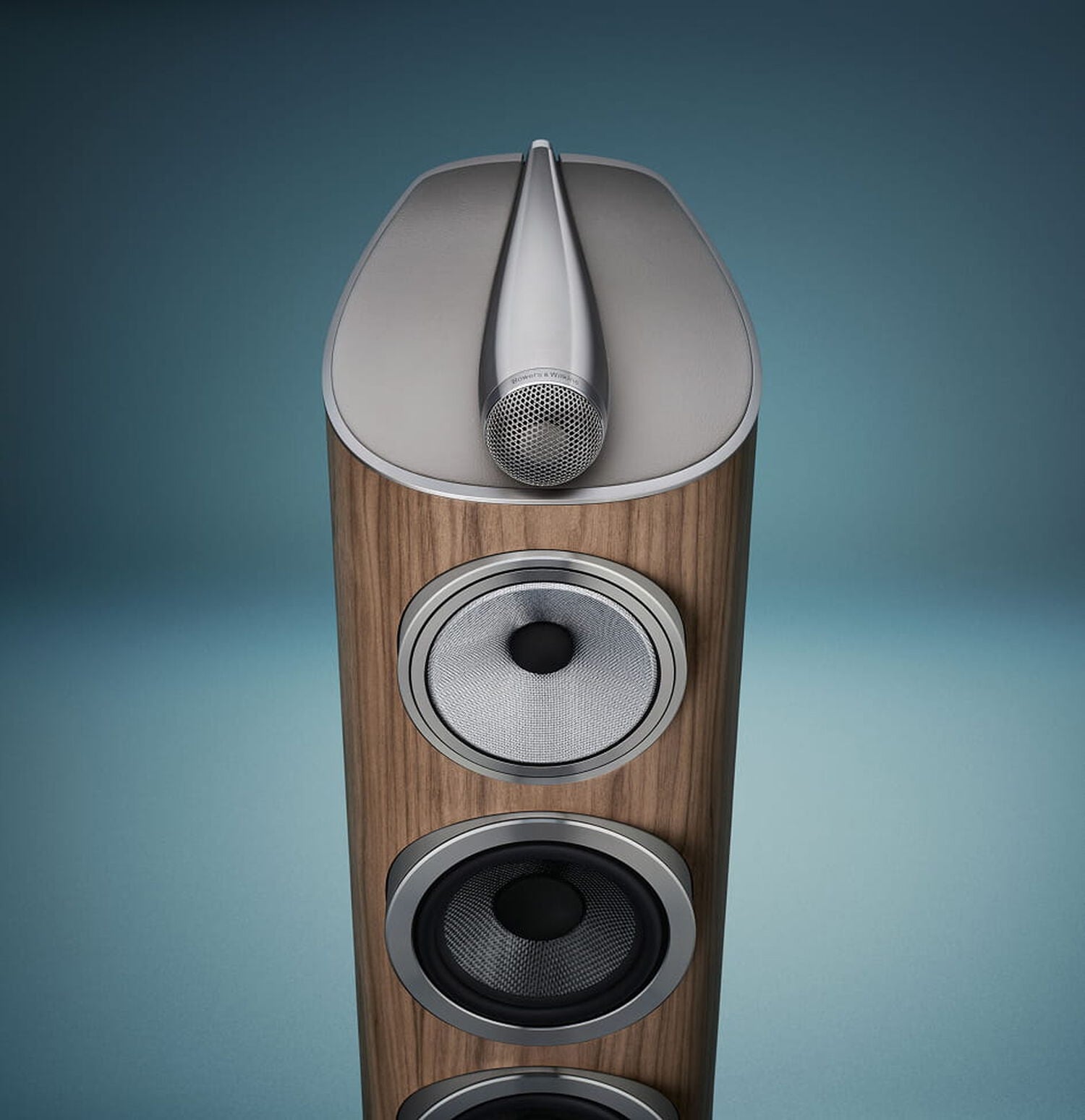
Driver Design And Materials Science
Speaker driver development involves careful material selection optimized for specific performance requirements. Tweeter domes must be extremely rigid to minimize flexing that creates distortion, yet flexible enough to respond to control signals without excessive mass. Woofer cones must combine stiffness with internal damping to prevent resonant peaks that color the sound. Surround materials that connect cone to frame must allow movement while maintaining structural integrity over decades of use.
Advanced materials like Kevlar-reinforced cones illustrate contemporary speaker engineering sophistication. Kevlar’s superior stiffness-to-weight ratio compared to paper or polypropylene enables faster transient response and reduced distortion across the midrange. However, such materials’ expense and manufacturing complexity mean only manufacturers committed to performance over cost-cutting pursue this engineering approach. Bowers & Wilkins continues investing in premium materials despite market pressure to reduce costs.
Crossover Design And Frequency Integration
The electrical crossover network that divides a full-range signal among multiple drivers represents critical engineering because any error will corrupt the tonal balance and introduce phase inconsistencies audible to listeners. Modern crossover designs employ topology that ensures smooth frequency response transitions, maintains consistent phase relationships and minimizes component colorations that compromise neutrality.
Digital signal processing techniques have become increasingly sophisticated, enabling some modern speakers to implement complex crossover algorithms that would have been impractical with passive analog components. Yet analog passive crossovers retain advantages for reliability and longevity that digital approaches cannot match. Premium manufacturers continue investing in passive crossover technology despite digital alternatives’ fashionability, demonstrating long-term commitment to reliability and performance consistency.
Cabinet Design And Acoustic Principles
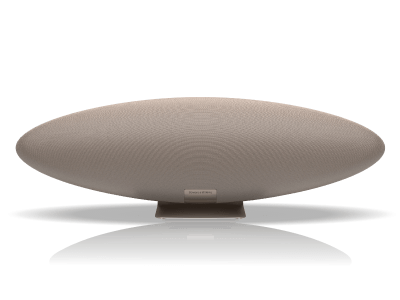
The speaker cabinet itself functions as a critical acoustic component rather than simply a mechanical structure holding drivers. Cabinet resonances interact with driver output to create peaks and dips in frequency response audible as tonal colorations. Damping material inside the cabinet absorbs energy to reduce resonance, but too much damping introduces its own acoustic signature. Optimizing this balance requires iterative refinement through measurement and listening evaluation.
Port design in bass-reflex cabinets represents another critical engineering challenge. Properly designed ports extend bass response to lower frequencies than sealed cabinets allow, but ports introduce complexities including potential turbulent air flow noise and challenging optimization requirements. Bowers & Wilkins employs computational modeling and empirical measurement to optimize cabinet and port design for each model, ensuring consistent acoustic performance across manufactured units.
Practical Considerations In Speaker Design
- Room matching determines whether speakers should prioritize extended bass response or controlled directivity in smaller spaces where bass frequencies cause standing wave problems
- Aesthetics and finish options matter for home integration, requiring engineering that doesn’t compromise acoustic performance when implementing designer cosmetic requirements
- Reliability over decades of use demands attention to driver seal integrity, connector quality and component longevity that cheaper manufacturers often compromise
- Sensitivity rating affects required amplifier power, but high sensitivity designs often require less refined engineering than low-sensitivity designs demanding powerful amplifiers
- Impedance characteristics must accommodate both vintage tube amplifiers and modern solid-state designs with varying output impedances and damping factors
Measurement Versus Listening The Engineering Paradox
Speaker engineering involves apparent contradictions between objective measurements and subjective listening impressions. A speaker measuring perfectly flat in frequency response might sound colored if phase response is incoherent. Conversely, a speaker exhibiting small measured resonances might sound more natural than one measuring perfectly flat but lacking resonant characteristics of familiar instruments.
This paradox reflects the limitations of single-point frequency response measurement. Professional speaker design requires multi-point measurement data, time-domain analysis and extensive listening evaluation by experienced ears. Bowers & Wilkins employs this integrated approach, using measurement technology to validate subjective impressions and listening evaluation to identify measurement targets.
Legacy And Innovation In Speaker Design
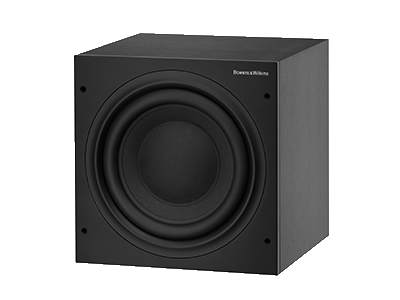
The history of speaker engineering reveals that many fundamental principles established decades ago remain relevant today. Crossover topology, driver materials and cabinet design approaches from the 1970s influenced current designs even as computational modeling and manufacturing advances enable new refinements. Innovation succeeds not by abandoning proven principles but by improving execution through better materials and techniques.
This design philosophy characterizes the approach evident in premium speakers across their range. Rather than pursuing novel technologies for their marketing novelty, leading companies continue refining fundamental speaker design principles through deeper engineering understanding and advanced manufacturing capabilities. Bowers & Wilkins exemplifies this dedication to continuous improvement through engineering rigor, ensuring that speakers engineered today will satisfy listeners for decades to come, delivering reliable performance and accurate sound reproduction that serves the music rather than calling attention to itself.